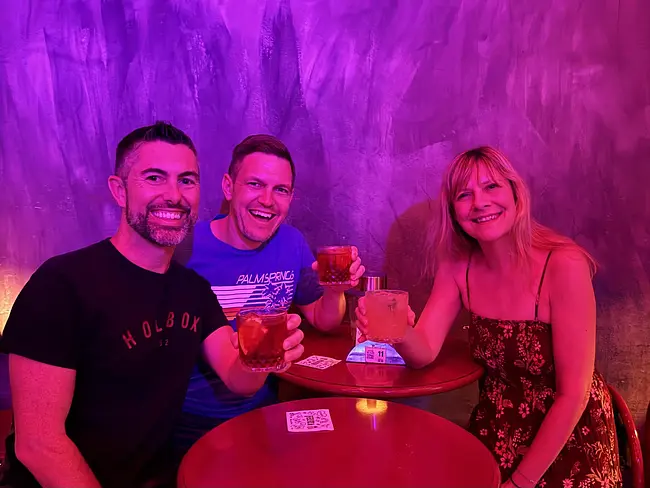
Buenos Aires is one of those cities that lingers with you long after you leave. The late-night energy, European elegance, and unmistakable Latin passion create a rhythm that feels both effortless and electric.
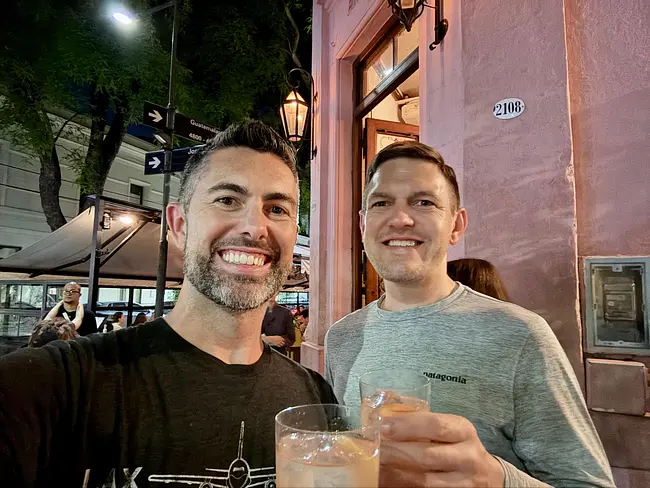
For us, this trip was part spontaneous, part nostalgic. Trai first visited years ago when the Faena Hotel had just opened, and returning now—after years of travel—felt like rediscovering a city that’s only gotten better with time. From café mornings in Palermo Soho to sunset cocktails and late-night gay bars, Buenos Aires delivers a layered, unforgettable LGBTQ+ experience.
Whether you’re visiting for the first time, planning a longer stay, or pairing it with Patagonia or Antarctica like we did, here’s how to do Gay Buenos Aires.
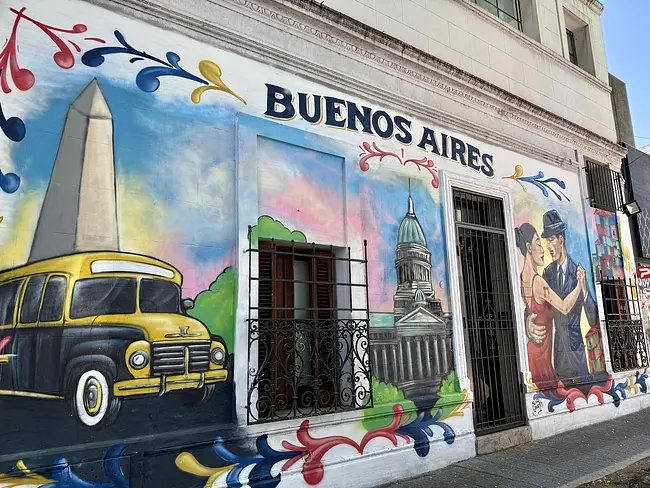
Street Art in Palermo Soho
Why Visit Gay Buenos Aires?
Buenos Aires is one of the most LGBTQ+ friendly cities in Latin America—and it shows.
Argentina became the first country in the region to legalize same-sex marriage in 2010, and today the city’s queer culture is diverse, visible, and deeply woven into everyday life. Palermo Soho anchors the modern LGBTQ+ scene, while historic sites like Casa Rosada and Recoleta connect you to Argentina’s cultural and political past.
Add in world-class food, stylish locals, late-night nightlife, and a city that truly comes alive after dark, and you have one of the most exciting LGBTQ+ destinations in South America.
BUENOS AIRES TRAVEL ESSENTIALS
Planning your trip to Buenos Aires? These travel tools and services will save you money and make your visit stress-free:
Travel Insurance – Don’t leave home without it! SafetyWing offers super affordable travel insurance with straightforward pricing and flexible extensions—even if your trip is already underway. Protect yourself from unexpected medical expenses and travel mishaps while you explore Buenos Aires and beyond.
Hotel Discounts – Score unbeatable deals with Booking.com, our preferred website to book hotels when traveling in South America. Create a free account to instantly unlock savings of 10% or more on over 100,000 hotels worldwide. You’ll also find member perks like free breakfast, early check-in, or even surprise room upgrades—perfect for elevating your stay.
🌟 Pro tip – Some links on this post are affiliate links, which means we may earn a small commission if you book through them—at no extra cost to you. Thanks for supporting our travels and helping us create more content like this!
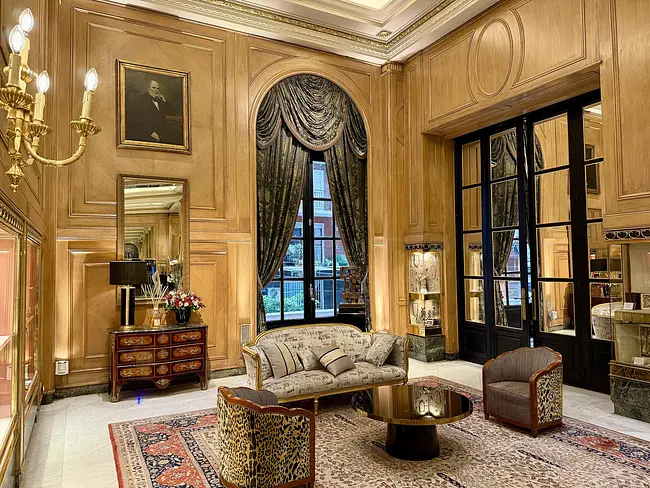
Alvear Palace
Where to Stay
Buenos Aires has no shortage of hotels and apartments, but choosing the right neighborhood makes all the difference. Palermo Soho is our go-to for LGBTQ+ travelers, while Recoleta and Puerto Madero offer more polished, upscale experiences.
Alvear Palace Hotel – Classic European Elegance in Recoleta
⭐ Best for: Luxury travelers who love old-world charm and a polished, upscale neighborhood 📍 Location: Recoleta (near Recoleta Cemetery and high-end shopping)
Why We Love It:
Historic palace-style hotel with Parisian-inspired design
Impeccable service and attention to detail
Steps from Recoleta Cemetery and high-end shopping
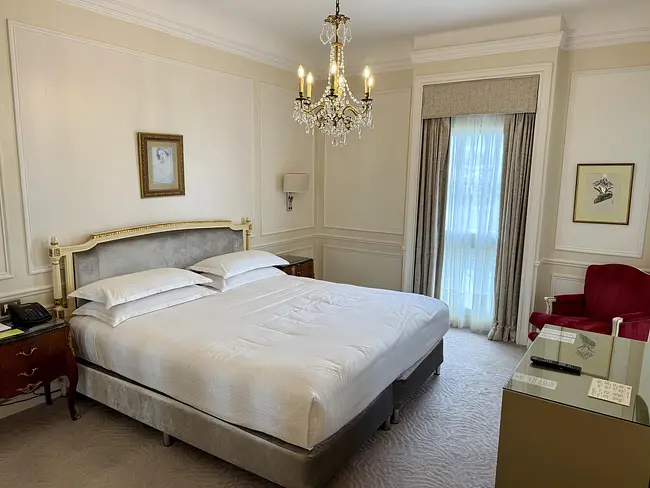
Elegant rooms with classic décor and modern comforts
Alvear Palace Alvear Palace feels like stepping into a different era—in the best way possible. Located in the heart of Recoleta, one of Buenos Aires’ most upscale neighborhoods, the hotel blends European grandeur with Argentine hospitality.
The interiors are rich and refined, with chandeliers, marble finishes, and traditional furnishings that give the entire property a timeless feel. Rooms are spacious, quiet, and incredibly comfortable—perfect for unwinding after a full day of exploring the city.
It’s also ideally located just steps from Recoleta Cemetery, boutique shopping, and some of the city’s best cafés. If you’re looking for a more elevated, classic Buenos Aires experience, this is it.
We were lucky enough to stay here for one night before our charter flight to Ushuaia for our Antarctica cruise with Seabourn, as it was included as part of the experience. From the moment we arrived, the over-the-top lobby immediately set the tone—it’s grand, dramatic, and feels like stepping into another era.
And if you have time, don’t miss the rooftop bar—the views over Recoleta are stunning and the perfect way to soak in Buenos Aires.
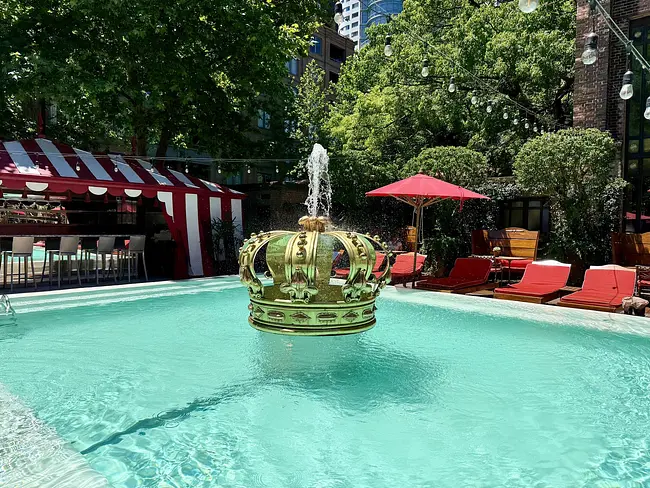
Faena Hotel Faena Hotel Buenos Aires – Bold, Sexy & Iconic
⭐ Best for: Design lovers and travelers looking for a stylish, gay-popular social scene 📍 Location: Puerto Madero
Why We Love It:
Iconic Philippe Starck design with dramatic red interiors
One of the most stylish hotels in Buenos Aires
Glamorous pool scene and cocktail spaces
Strong LGBTQ+ appeal and social energy
Faena is easily one of the most recognizable hotels in Buenos Aires—and still one of the most exciting.
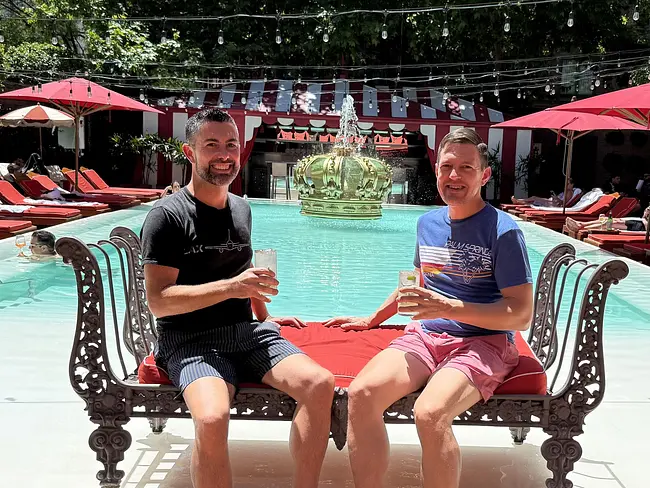
From the moment you walk in, the design makes a statement. Deep reds, theatrical lighting, and bold details create an atmosphere that feels more like a curated experience than just a hotel stay. It’s sexy, playful, and unapologetically over the top in all the right ways.
Even if you’re not staying here, it’s absolutely worth visiting for cocktails by the pool or a drink at the bar. The crowd is stylish, the energy is high, and it remains one of the most gay-popular spots in the city.
Anywhere Palermo Soho AnywherePalermo Soho – Our Top Pick for LGBTQ+ Travelers
⭐ Best for: First-time visitors who want to stay in the heart of the action 📍 Location: Palermo Soho
Why We Love It:
Walkable to cafés, restaurants, and nightlife
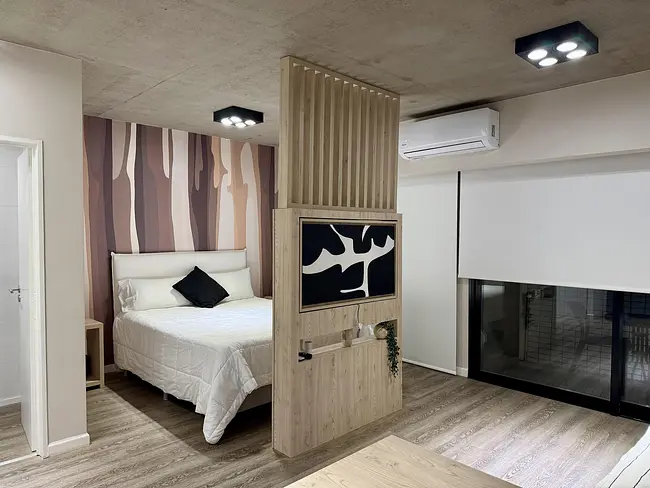
Modern, spacious apartments with great value
Local neighborhood feel with tons of energy
Easy, flexible check-in with virtual doorman setup
For most travelers—especially LGBTQ+ visitors—Palermo Soho is hands-down the best place to stay in Buenos Aires.
This is where the city feels the most alive. Streets are lined with cafés, boutiques, bars, and restaurants, and there’s always something happening from morning coffee to late-night drinks.
We booked a modern apartment at Anywhere Palermo Soho right above a design shop called The Pink Chair, and it ended up being the perfect setup. Spacious, stylish, and incredibly easy to access, it gave us a more local, lived-in experience compared to a traditional hotel.
If you want convenience, energy, and the ability to walk almost everywhere, Anywhere Palermo Soho is the move.
Buenos Aires is one of those cities where even the classic landmarks feel cinematic. From grand European-style architecture to political history, colorful neighborhoods, and long café-filled afternoons, the experience here is less about rushing between sights and more about soaking it all in.
If you’re planning your own Gay Buenos Aires itinerary, these are the experiences we’d prioritize.
Teatro Colón
We like to start in Buenos Aires with something iconic—and Teatro Colón delivers exactly that.
Widely considered one of the most beautiful opera houses in the world, the building itself is stunning, both inside and out. Even if you don’t attend a performance, just seeing it in person gives you an immediate sense of the city’s cultural depth and European influence.
Obelisk & 9 de Julio Avenue Obelisk & 9 de Julio Avenue
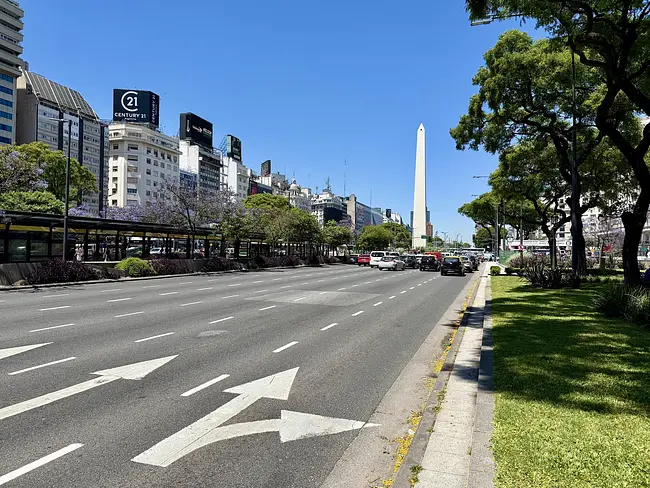
From there, make your way to the Obelisk, one of the most recognizable landmarks in Buenos Aires.
Standing in the middle of 9 de Julio Avenue—one of the widest avenues in the world—it’s one of those places that feels much bigger and more dramatic in person. Between the constant flow of traffic, surrounding architecture, and sheer scale, it really captures the energy of the city.
Casa Rosada & Plaza de Mayo
Next, head to Plaza de Mayo, the historic and political heart of Buenos Aires.
The pink presidential palace, Casa Rosada, is instantly recognizable—and standing here, you’re looking at the exact balcony where Evita delivered her famous speeches. It’s one of those moments where history doesn’t feel distant—it feels immediate.
Puerto Madero & Puente de la Mujer
After the historic center, shift gears and head to Puerto Madero for a completely different side of the city.
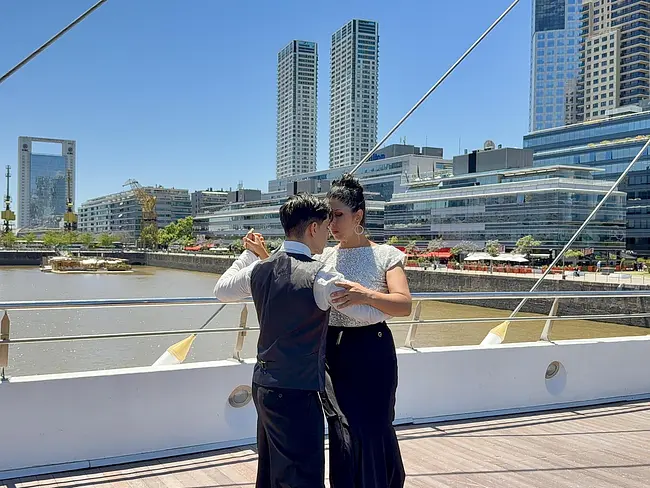
This area feels modern, polished, and a bit more relaxed, with wide waterfront paths and skyline views. Crossing Puente de la Mujer, you’ll often see tango dancers performing nearby, adding a romantic, almost cinematic feel—especially in the late afternoon.
Private City Tour (Great First-Day Overview)
If you want to connect all of these spots together in a seamless way, a private city tour is one of the smartest things you can do—especially on your first day.
Having a local guide helps bring context to everything you’re seeing, from political history to neighborhood insights, and makes the city feel much easier to navigate right away.
Tomb of Eva Peron (Evita) Recoleta Cemetery (Guided Tour Recommended)
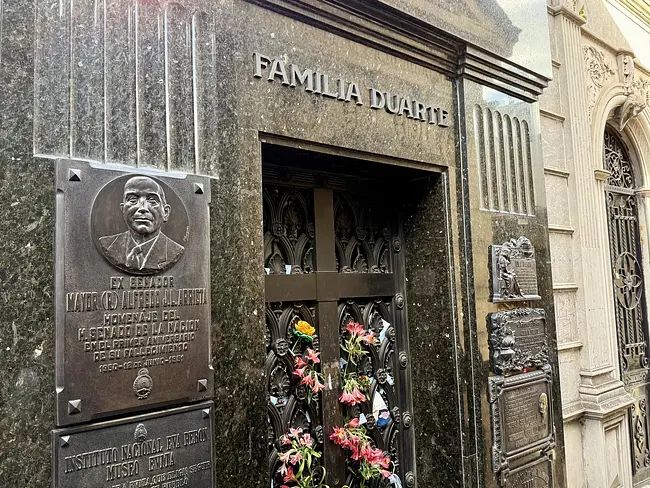
Recoleta Cemetery is easily one of the most fascinating places in Buenos Aires—and yes, this is where Evita is buried.
But what makes it truly interesting are the stories. Mausoleums of Argentina’s elite sit alongside dramatic family histories, scandals, and legends that you’d never fully understand on your own—which is why we highly recommend a guided tour.
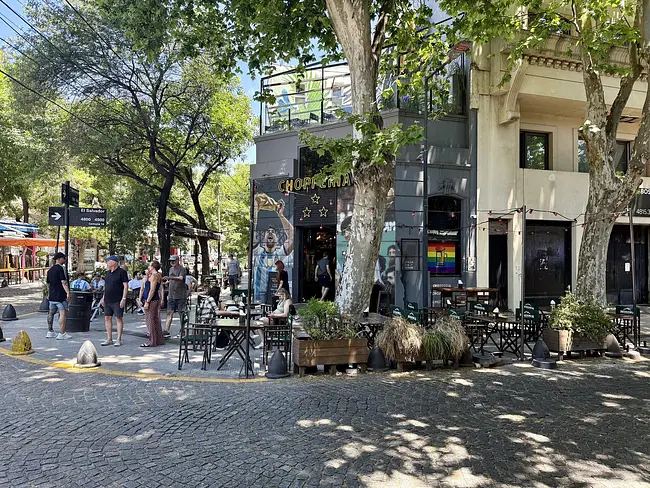
Back in Palermo Soho, the energy shifts again—this is where Buenos Aires feels young, creative, and effortlessly cool.
Think street art, boutique shops, cafés, and tree-lined streets that are perfect for wandering. On weekends, Plaza Serrano fills with local vendors and markets, making it one of the best places to just explore without a plan.
Evita Museum
To really understand Buenos Aires, you have to understand Evita—and this museum is the best place to do it.
Located in one of her former foundation buildings in Palermo, it offers a deeper look into her life, influence, and the complicated legacy she left behind. It’s a meaningful stop that adds context to so much of what you see throughout the city.
Presidente Bar
Where to Eat and Drink
Buenos Aires is one of those cities where dining isn’t rushed—it’s an experience. Meals start late, stretch for hours, and often turn into full evenings out. From neighborhood cafés to world-class cocktail bars, the rhythm here is all about slowing down and enjoying every moment.
These are the spots we’d build our perfect Buenos Aires days around.
El Preferido de Palermo
Our first real meal in Buenos Aires set the tone for the entire trip—and El Preferido is exactly the kind of place that makes you fall in love with the city.
It’s lively, stylish, and always buzzing. We showed up without a reservation and ended up waiting about an hour—but honestly, that’s part of the experience. They bring out drinks and little bites while you wait, and before you know it, you’re already in the flow of the night.
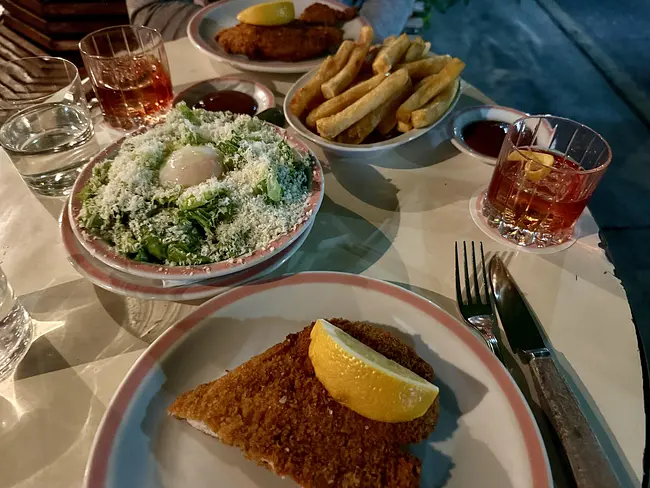
El Preferido de Palermo Once seated, we went all in: negronis, a classic Caesar salad, and their famous milanesa with papas fritas. Argentina may be known for beef, but even the chicken version here is incredible. It’s one of those meals that feels both elevated and comforting at the same time.
Cobre Café
Buenos Aires mornings start slow—and Cobre Café is exactly where you want to lean into that.
Tucked into Palermo Soho, it’s the kind of place that feels effortlessly cool without trying too hard. Great coffee, a relaxed crowd, and just enough energy to ease you into the day.
We kept it simple: americanos, avocado toast, a granola bowl… and of course, a cinnamon roll because we have zero self-control when it comes to pastries. It’s the perfect reset after a late night out.
Pain et Vin
Not every night in Buenos Aires needs to be a full steakhouse dinner—and Pain et Vin is our favorite way to switch things up.
This cozy wine bar is ideal when you want something lighter, more intimate, and a little more social. Think curated wine tastings, small plates, and a space that encourages you to slow down and actually enjoy the conversation.
We came here to meet a friend before our Antarctica cruise, and it ended up being one of those unexpectedly perfect nights—great wine, great energy, and no rush to be anywhere else.
Faena Hotel Faena Hotel (Cocktails by the Pool)
Even if you’re not staying at Faena, this is a must.
There’s something about this place that just feels… sexy. The bold red design, the music, the crowd—it all comes together in a way that feels more like a scene than a hotel.
We grabbed mojitos by the pool in the afternoon, and it was easily one of our favorite breaks of the trip. It’s glamorous without being stuffy, and definitely one of the most gay-popular spots in the city.
Florería Atlántico
This is one of those places that lives up to the hype.
You walk in thinking you’re entering a flower shop—and then suddenly you’re descending into one of the World’s 50 Best Bars. The space feels hidden, intimate, and a little mysterious, which only adds to the experience.
The cocktails here are some of the best we’ve had anywhere. We started with classics like negronis and a Manhattan, then moved into their signature drinks—and every single one was spot on.
Presidente Bar
If Florería Atlántico is moody and underground, Presidente Bar is polished and theatrical.
This is where you go when you want one last elevated night out. The interiors are stunning, the drinks are beautifully executed, and the whole experience feels intentional from start to finish.
We ended our trip here, and it couldn’t have been a better final note—one last round of cocktails, soaking in the energy of the city before heading off to our next adventure.
Feliza Gay & Lesbian Bar
Best Gay Bars & Clubs
Buenos Aires is a city that runs late—and its gay nightlife follows the same rhythm. Dinner doesn’t start until 9 or 10pm, bars fill up closer to midnight, and clubs often don’t peak until 2am or later.
While we spent most of this trip exploring by day, we still made time to experience a slice of the nightlife—and what we love most is how social, open, and unpretentious it feels.
Here’s how we’d build a night out in Buenos Aires.
Puteo – Easy Start in Palermo
We like to start somewhere casual and social—and Puteo is perfect for that.
Located in Palermo, it’s one of those bars that’s easy to step into without a plan. The vibe is relaxed, the crowd is friendly, and it’s a great place to grab a drink and get your night started without committing to anything too intense.
It’s also surrounded by other bars and nightlife, so it naturally sets you up for wherever the night goes next.
Palermo Soho – Bar Hopping Without a Plan
One of the best parts of going out in Buenos Aires is that you don’t always need a strict plan.
Palermo Soho is packed with bars, sidewalk cafés, and nightlife spots all within walking distance of each other. The energy builds as the night goes on, and it’s the kind of neighborhood where you can just wander, pop into places, and see where the vibe takes you.
Some of our favorite nights while traveling start exactly like this—no reservations, no expectations, just following the energy of the street.
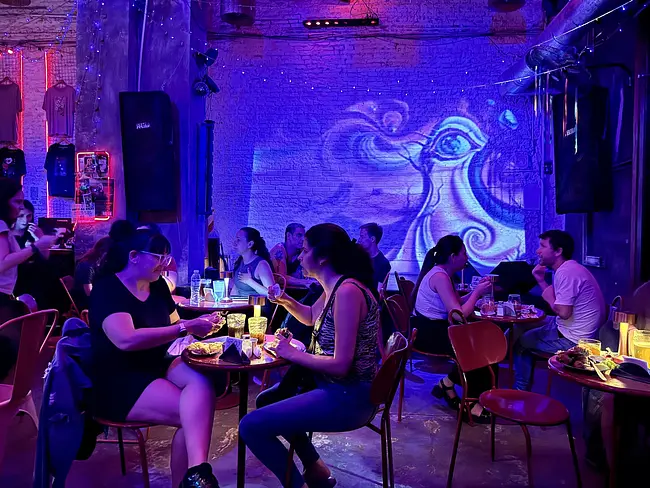
Feliza Gay & Lesbian Bar Feliza – Inclusive, Fun & Worth the Uber
If you’re up for one more stop, Feliza is absolutely worth the short Uber ride.
This is one of the most inclusive LGBTQ+ spaces we’ve come across anywhere. It’s not just a gay bar—it’s a true community space where everyone shows up to have a good time.
What stood out to us is how welcoming it feels for everyone, especially women, which isn’t always the case in many cities. The energy is open, playful, and a little bit anything-goes—in the best way.
Late-Night Clubs & After-Hours Scene
If you’re looking to keep the night going, Buenos Aires definitely delivers.
There are countless late-night gay parties and clubs across the city, especially on weekends, where things don’t even really get started until after midnight and often go well into the next morning.
We didn’t dive too deep into the club scene this trip, but it’s very much part of the culture here—and something to plan for if nightlife is a priority for your visit.
Palermo Soho
When to Go
Buenos Aires is a year-round destination, but the timing of your visit can completely change the experience. From sun-filled café culture to Pride celebrations and long summer nights, each season brings a different energy to the city.
Here’s how it typically feels throughout the year:
Spring (September–November): Spring is one of the best times to visit Buenos Aires—and honestly, a bit of a sweet spot.
The city starts to bloom, temperatures are comfortable, and everything feels fresh after the cooler winter months. It’s perfect for walking tours, café hopping, and exploring neighborhoods like Palermo and Recoleta without the intense summer heat.
And if you time it right, this is when Buenos Aires Pride takes place—making November one of the most exciting times to visit as the city fills with energy, events, and celebration.
Summer (December–February): Summer in Buenos Aires is hot, humid, and full of life.
This is when the city slows down during the day but comes alive at night. Long dinners, late drinks, and nightlife that stretches into the early morning hours are all part of the rhythm.
It’s also a great time to pair Buenos Aires with a bigger trip—like heading south to Patagonia or Antarctica, which is exactly what we did.
Fall (March–May): Fall is another fantastic time to visit and one of the most comfortable overall.
The temperatures cool down, the crowds thin slightly, and the city takes on a more relaxed, local feel. It’s ideal for long walks, wine bars, and really settling into the slower pace that makes Buenos Aires so enjoyable.
Winter (June–August): Winter is the quietest season in Buenos Aires, but it still has its charm.
Temperatures are cooler (but rarely freezing), and it’s a great time for museums, cafés, and indoor experiences. You won’t get the same buzzing nightlife energy as summer, but you will get a more local, less crowded version of the city.
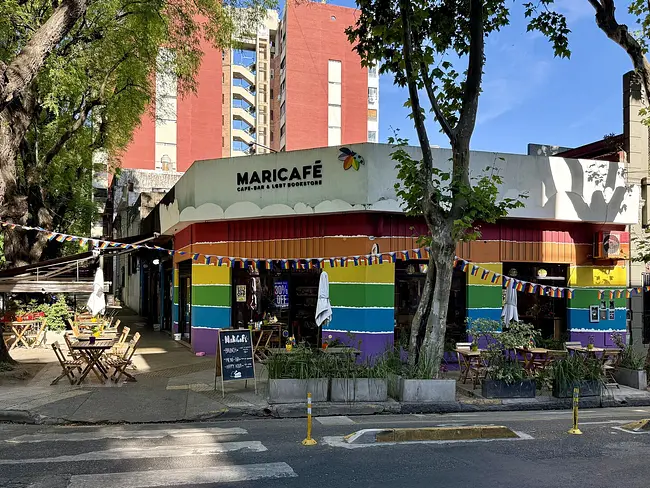
Maricafé & LGBTQ+ Bookstore Key LGBTQ+ Events in Buenos Aires
Buenos Aires has a growing LGBTQ+ scene, and while it may not have the same global reputation as cities like New York or Madrid, the events here feel authentic, political, and deeply rooted in the local community.
Buenos Aires Pride (November)
Buenos Aires Pride takes place each November and is one of the largest Pride celebrations in South America.
The parade marches toward Plaza de Mayo, blending celebration with activism in a way that feels true to the city’s identity. Expect massive crowds, live performances, and a full weekend of parties and events across Palermo and beyond.
If Pride is your main reason for visiting, plan ahead—hotels fill quickly, and the city feels electric during this time.
Queer Tango & Cultural Experiences
Buenos Aires is the birthplace of tango—and in recent years, queer tango has become an increasingly popular and inclusive way to experience it.
These events flip traditional gender roles and create a space where anyone can lead or follow, making it one of the most unique LGBTQ+ cultural experiences you can have in the city.
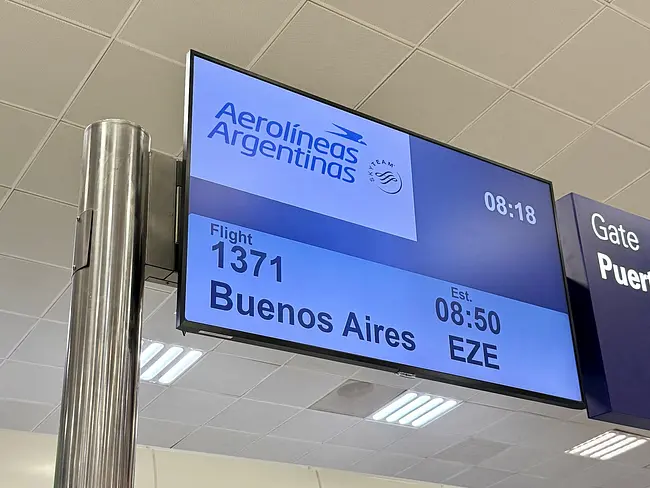
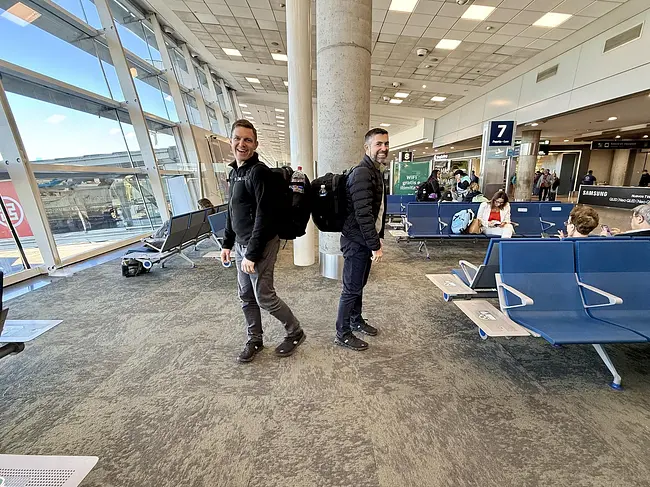
Ezeiza International Airport
Getting Here & Around
Getting to Buenos Aires is relatively straightforward — and once you arrive, navigating the city is easier than you might expect. Whether you’re flying in from North America, Europe, or elsewhere in South America, Buenos Aires is one of the most connected cities in the region.
Here’s how to navigate it like a pro.
By Air: Buenos Aires is served by two main airports, and knowing the difference between them is key when planning your trip:
Ministro Pistarini International Airport (EZE / Ezeiza): This is the city’s main international airport and where most long-haul flights arrive. It’s located about 40–50 minutes from neighborhoods like Palermo Soho and Recoleta, depending on traffic.
Most travelers will arrive here, and it’s a smooth experience overall. After landing, you can easily grab an Uber or Cabify into the city, which we found to be affordable, reliable, and much easier than navigating taxis.
Jorge Newbery Airfield (AEP): This is the city’s domestic and regional airport, located much closer to the city center—just 15–20 minutes from Palermo and Recoleta.
If you’re connecting within Argentina or flying elsewhere in South America, chances are you’ll pass through here. The proximity makes it incredibly convenient compared to Ezeiza.
🌟 Pro tip – Always carry travel insurance. We recommend SafetyWing to cover everything from lost luggage to unexpected medical expenses abroad.
Getting Around the City
Buenos Aires is a large city, but once you understand the basics, getting around becomes very manageable. Between rideshares, walking, and public transport, you’ve got plenty of options.
Subte (Subway): The Buenos Aires subway—known as the Subte—is one of the fastest ways to move around the city, especially during the day. It connects many major neighborhoods and is very affordable.
That said, it can get crowded during peak hours, so we found ourselves using it selectively rather than relying on it full-time.
Bike Share (EcoBici): Buenos Aires has a public bike-share system called EcoBici, with stations located across the city.
It’s a great option for shorter rides, especially around Palermo and along the parks. The city is relatively flat, which makes biking an easy and enjoyable way to explore.
Walking: Some of the best parts of Buenos Aires are discovered on foot.
Neighborhoods like Palermo Soho, Recoleta, and parts of the city center are very walkable, and wandering through cafés, parks, and side streets is honestly one of the highlights of being here.
Rideshare & Taxis: Uber and Cabify were our go-to throughout the trip—they’re affordable, easy to use, and widely available.
Traditional taxis are also everywhere, but for convenience and transparency, we almost always defaulted to rideshare apps.
One quick tip—traffic can get heavy depending on the time of day, so always give yourself a little extra time if you’re heading to the airport or have reservations to make.
Jorge Newberry Airport
Frequently Asked Questions & Travel Tips
Is Buenos Aires LGBTQ+ friendly?
Yes—Buenos Aires is one of the most LGBTQ+ friendly cities in Latin America.
Same-sex couples are widely accepted, especially in neighborhoods like Palermo Soho, Recoleta, and Puerto Madero. The city has a visible queer community, inclusive nightlife, and a progressive legal framework that makes it a comfortable destination for LGBTQ+ travelers.
Is there a gay neighborhood in Buenos Aires?
Unlike cities with one defined “gayborhood,” Buenos Aires is more spread out.
Palermo Soho is the closest thing to a hub, with LGBTQ+ friendly cafés, bars, and nightlife. But overall, the scene is integrated throughout the city, which we actually love—it feels more natural and less siloed.
When is the best time to visit Buenos Aires?
Spring (September–November) and fall (March–May) are the most comfortable times to visit thanks to mild weather and ideal walking conditions.
November is especially popular due to Buenos Aires Pride, while summer (December–February) offers high energy, late nights, and great weather for pairing with Patagonia or Antarctica.
How do I get around Buenos Aires?
Uber and Cabify were our go-to and made getting around incredibly easy.
The Subte (subway) is fast and affordable, and walking is one of the best ways to explore neighborhoods like Palermo Soho. You can also use the city’s EcoBici bike-share system for shorter trips.
Is Buenos Aires safe for LGBTQ+ travelers?
Overall, yes—we found Buenos Aires to feel safe, welcoming, and easy to navigate.
Like any major city, it’s important to stay aware of your surroundings, especially at night or in crowded areas. Stick to well-lit neighborhoods, use rideshare apps, and keep an eye on your belongings.
El Preferido de Palermo
Final Thoughts
Buenos Aires is one of those cities that slowly pulls you in—and then suddenly, you don’t want to leave.
There’s a rhythm here that feels different. Late dinners that turn into long nights, mornings that start with coffee and nowhere to be, and neighborhoods that invite you to wander without a plan. It’s equal parts European elegance and Latin energy, and somehow, it all just works.
For LGBTQ+ travelers, it’s especially rewarding. The city feels open, expressive, and effortlessly inclusive—without needing to try too hard. Whether you’re here for the culture, the food, the nightlife, or just the experience of being somewhere new, Buenos Aires delivers.
🌟 Pro tip – Ready to plan your trip? Check out top Buenos Aires hotels, thrilling adventures on Viator, and don’t forget travel insurance with SafetyWing for peace of mind.
Found this post useful?
The easiest way to support Two Gay Expats is to
subscribe
(free!) to our YouTube channel and tell your friends and family about us to help us grow (also free)!
And if you find our content helpful and/or entertaining, please consider joining our
Channel Membership
on YouTube to directly support our videos
or
Patreon
to gain access to exclusive behind-the-scenes content.
Did we get something wrong?
Has a business we highlighted closed or perhaps something new and fabulous opened? Are
you interested in working with us? In all cases, we'd love to hear from you! Email us at
hello@twogayexpats.com.